

Group keywords by what people want
Connect each ad group to a landing page with the same offer.
Read Article →Setting up a skippable video ad campaign on YouTube via Google Ads involves targeting specific audiences while allowing viewers to skip ads after a few seconds. Important practical considerations include defining effective ad budgets, selecting suitable call-to-actions, and optimizing video content to engage viewers quickly before the skip option appears.
Learn how to create a skippable video ad campaign on YouTube using Google Ads. This tutorial will show you step-by-step how to set up your ad and reach your target audience effectively! Want to promote your brand, product, or service with YouTube ads? In this tutorial, learn how to run a skippable in-stream video ad campaign on YouTube using Google Ads — step-by-step using the 2025 interface. Skippable ads appear before, during, or after videos and let viewers choose whether to watch after 5 seconds. They’re ideal for brand awareness, lead generation, and website traffic — and offer cost-effective CPV (cost per view) pricing. 📌 In This Video, You’ll Learn: Requirements to run YouTube video ads How to set up a new Google Ads video campaign Choosing the “Skippable In-Stream Ad” format Targeting audience by interests, keywords, and placements Adding video URL, CTA, and landing page Budget, bidding, and optimization tips 🎓 This video is part of the Google Ads & Video Marketing Series by Digital Bikana — ideal for advertisers, YouTubers, brands, and marketers. 🌐 Website: www.digitalbikana.in 📧 Contact: founder@digitalbikana.in 🔔 Subscribe for more tutorials on Google Ads, YouTube marketing, and paid media strategies.
Connect each ad group to a landing page with the same offer.
Read Article →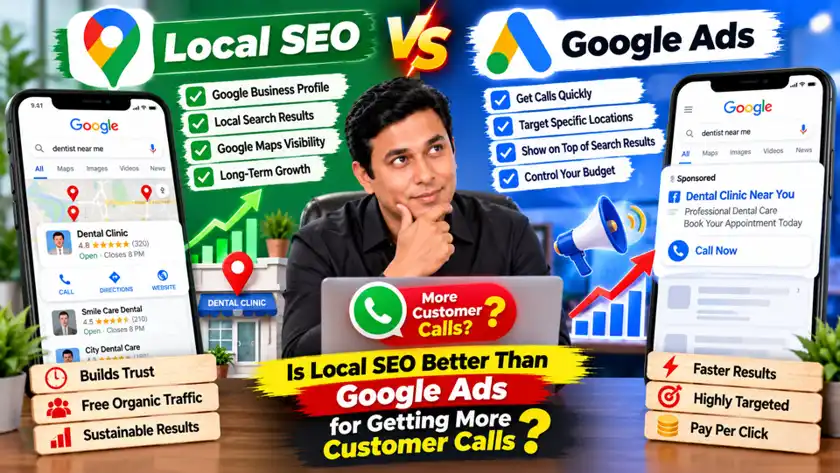
Imagine you own a dental clinic, plumbing service, coaching institute, salon, or another local business. When someone nearby searches Google for the service you offer, you want your business to appear at the right moment—and you want that person to c
Read Article →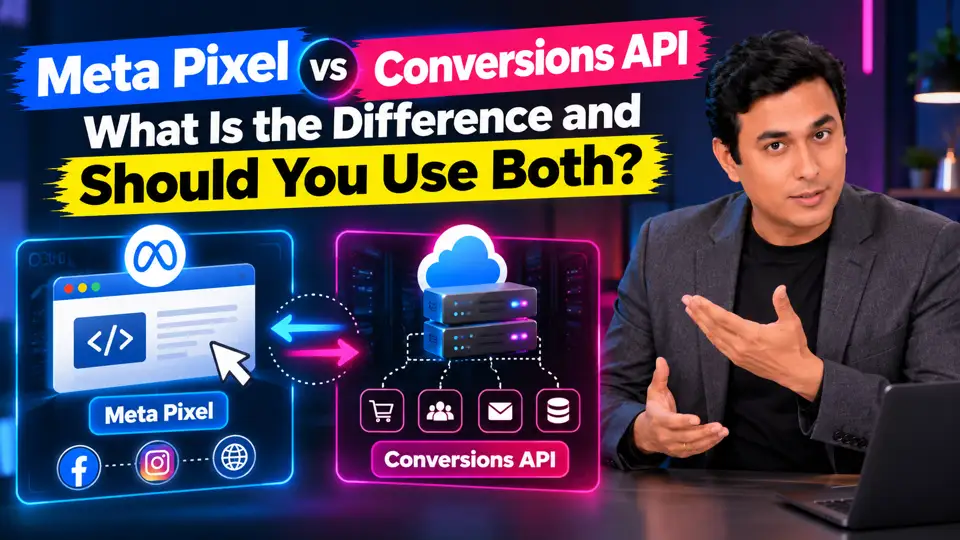
When running Meta Ads, one of the biggest challenges is understanding what happens after someone clicks an advertisement. Did the visitor purchase a product, submit a lead form, register for a course, or leave without taking action? Without reliable
Read Article →